
How far will a 50 watt FM transmitter reach?
Under normal conditions, a 50 watt FM transmitter can cover approximately 3–5 km (2–3 miles). Under ideal conditions, the coverage can extend up to 20 km (12 miles). Below, you’ll find additional information that may help you better understand the coverage range of a 1000 watt FM transmitter.
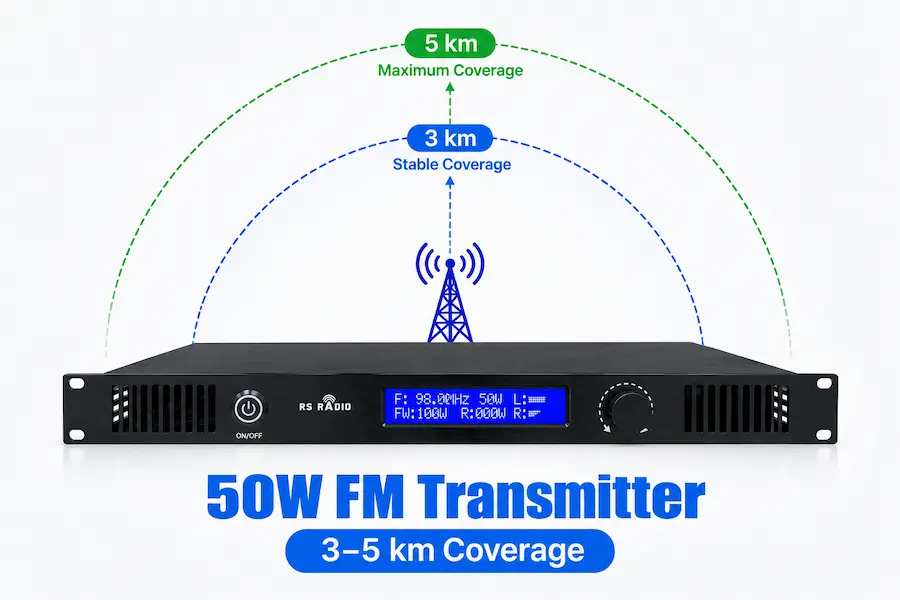
1. Factors That Affect the Coverage Range of a 50W FM Transmitter
Power output is only one piece of the puzzle. The following factors all play a significant role in determining how far your signal will travel:
1.1 Antenna
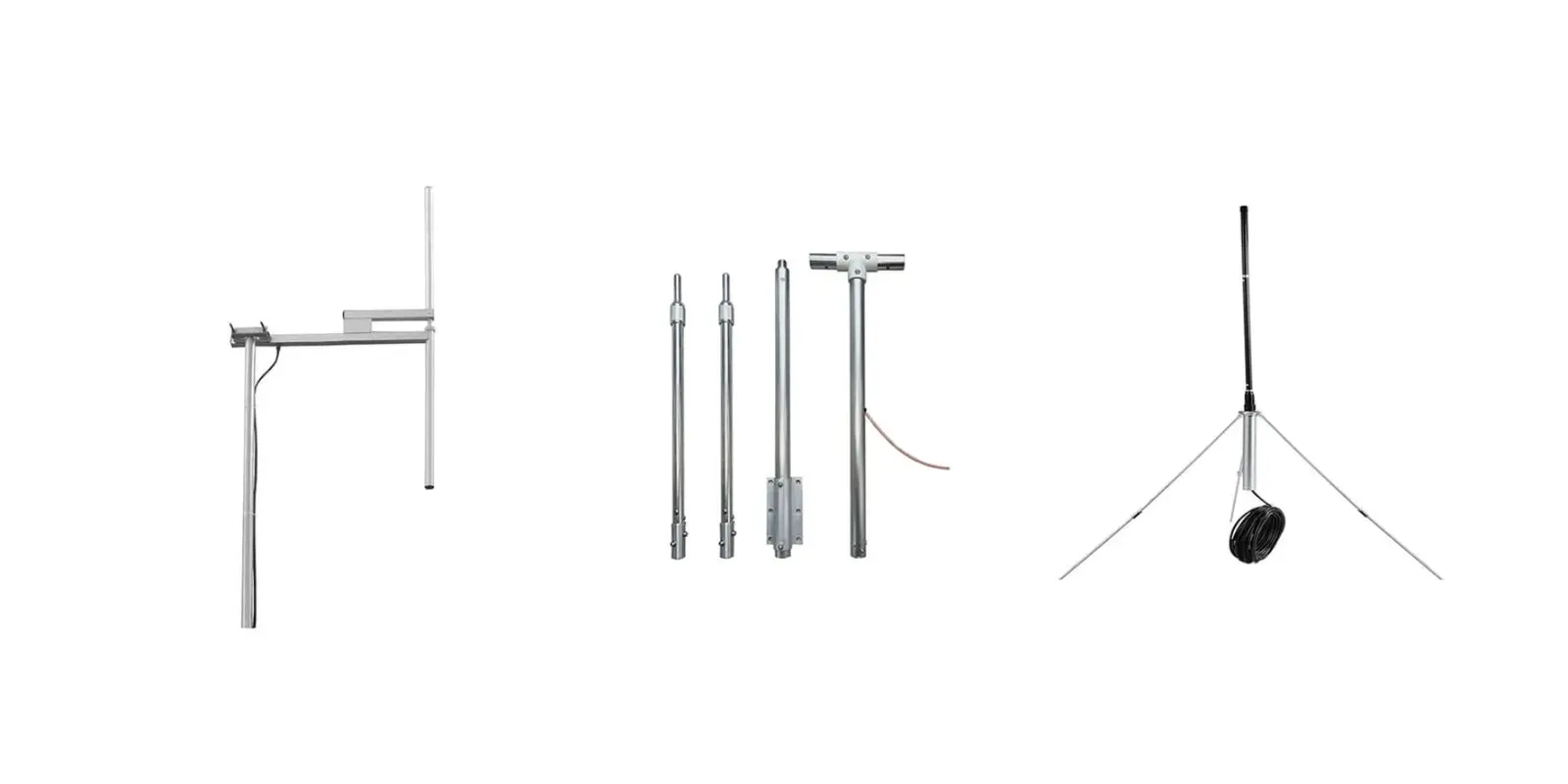
Besides transmitter’s output power, antenna height is the most important factor affecting a transmitter’s coverage area. FM transmitters propagate on a "line-of-sight" basis, meaning that wherever you can see from the top of the antenna is generally where the transmitter’s signal can reach. Therefore, installing the antenna on a tall tower or a mountaintop can significantly increase the transmitter’s coverage area. In addition, using a high-gain antenna (rated in dBd or dBi) can also effectively improve increase the coverage range and coverage area.
1.2 Terrain and Geography
Flat, open terrain—such as plains, farmland, or coastal areas—offers fewer obstructions to FM signal propagation, allowing the signal to travel farther. However, mountains, hills, dense forests, and tall urban buildings can attenuate or even completely block FM signals. Therefore, the same 50-watt FM transmitter can generally provide a longer coverage range in areas with fewer obstacles, such as flat plains.
1.3 Cable and Connector Quality
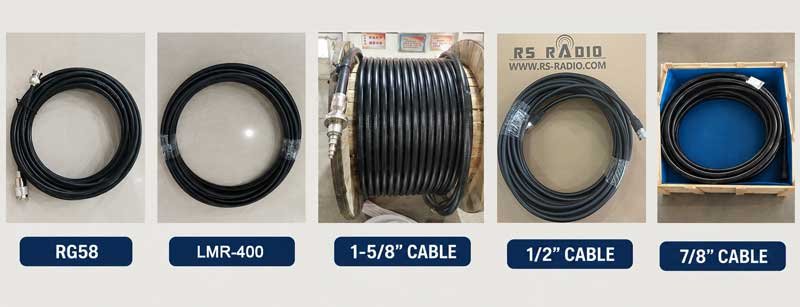
The antenna is connected to the transmitter through a coaxial cable. During transmission between the transmitter and the antenna, some RF power is inevitably lost due to cable attenuation. Different cable qualities and cable types result in different power losses. Therefore, using low-loss coaxial cables, such as 7/8-inch or 1-5/8-inch cables, can minimize these losses, allowing more RF power to reach the antenna and This further improves the coverage of the 50-watt transmitter.
1.4 Frequency
The FM transmitter operates in the 87.5–108 MHz frequency band. A clear operating frequency is important for reliable coverage. Nearby stations using the same or adjacent frequencies may cause interference, reducing signal quality and the effective coverage area
1.5 Receiver Sensitivity
The quality of the listener’s FM radio receiver also matters. A high-sensitivity tuner in a modern digital radio can pick up weaker signals at the edge of your coverage zone, while a low-quality receiver may lose the signal closer to the transmitter. While you can’t control what your audience uses, it’s worth noting when estimating effective coverage. But I think you also need to know this.
1.6 Weather and Atmospheric Conditions
Normal weather conditions, such as rain, wind, or cloudy days, have little effect on FM signal coverage. However, certain atmospheric phenomena — such as temperature inversions — can cause FM signals to travel much farther than usual. While this can temporarily extend your range, it can also cause unexpected interference to other radio stations in the distance.
2. Detailed Coverage Calculation for a 50W FM Transmitter
Broadcast engineers use the Effective Radiated Power (ERP) model combined with propagation curves (such as ITU-R P.1546 or FCC F-curves) to estimate coverage. Here is a simplified breakdown:
| Scenario | Antenna Height | Antenna Gain | ERP | Estimated Coverage Radius |
|---|---|---|---|---|
| Basic setup | 10 m (33 ft) | 0 dBd (unity) | 50 W | ~3–5 km (2–3 miles) |
| Typical setup | 30 m (98 ft) | 3 dBd | 100 W | ~8–12 km (5–7 miles) |
| Optimized setup | 60 m (197 ft) | 6 dBd | 200 W | ~15–20 km (9–12 miles) |
ERP (Effective Radiated Power) = Transmitter Output Power × Antenna Gain (accounting for cable loss). Coverage estimates assume flat terrain and standard atmospheric conditions.
As you can see, using a high-gain antenna can significantly increase the ERP of a 50-watt FM transmitter. Installing the antenna at a proper height can further improve signal coverage range. Therefore, in some cases, you can expand your coverage area without upgrading the transmitter itself.
3. How to Extend the Coverage Range of Your 50W FM Transmitter
If you find that your 50W FM transmitter isn’t covering the area you need, here are practical steps to extend your range:
3.1 Raise Your Antenna Higher
This is the most cost-effective improvement you can make. Every additional meter of antenna height extends your coverage range. If you’re currently on a 30-meter tower, upgrading to a 60-meter tower can nearly double your coverage radius without changing any other equipment.
3.2 Use a High-Gain Directional or Omnidirectional Antenna
Upgrading from a unity-gain antenna to a 3 dBd or 6 dBd gain antenna effectively doubles or quadruples your ERP. If you only need to cover a specific direction (e.g., a city to your east), a directional antenna can concentrate all your power toward that target area.
3.3 Minimize Cable Loss
Replace standard RG-8 or RG-213 coaxial cable with low-loss hardline cable. For a 1000W transmitter, using 1/2" or 7/8" foam-filled hardline coax can reduce cable loss from 3-4 dB down to less than 1 dB over the same run length — effectively recovering hundreds of watts of radiated power.
3.4 Choose an Optimal Transmission Site
If possible, locate your transmitter and antenna at the highest geographic point within your target coverage area. A hilltop or elevated building rooftop provides a natural advantage that no amount of additional power can fully compensate for.
3.5 Upgrade to a Higher-Power Transmitter
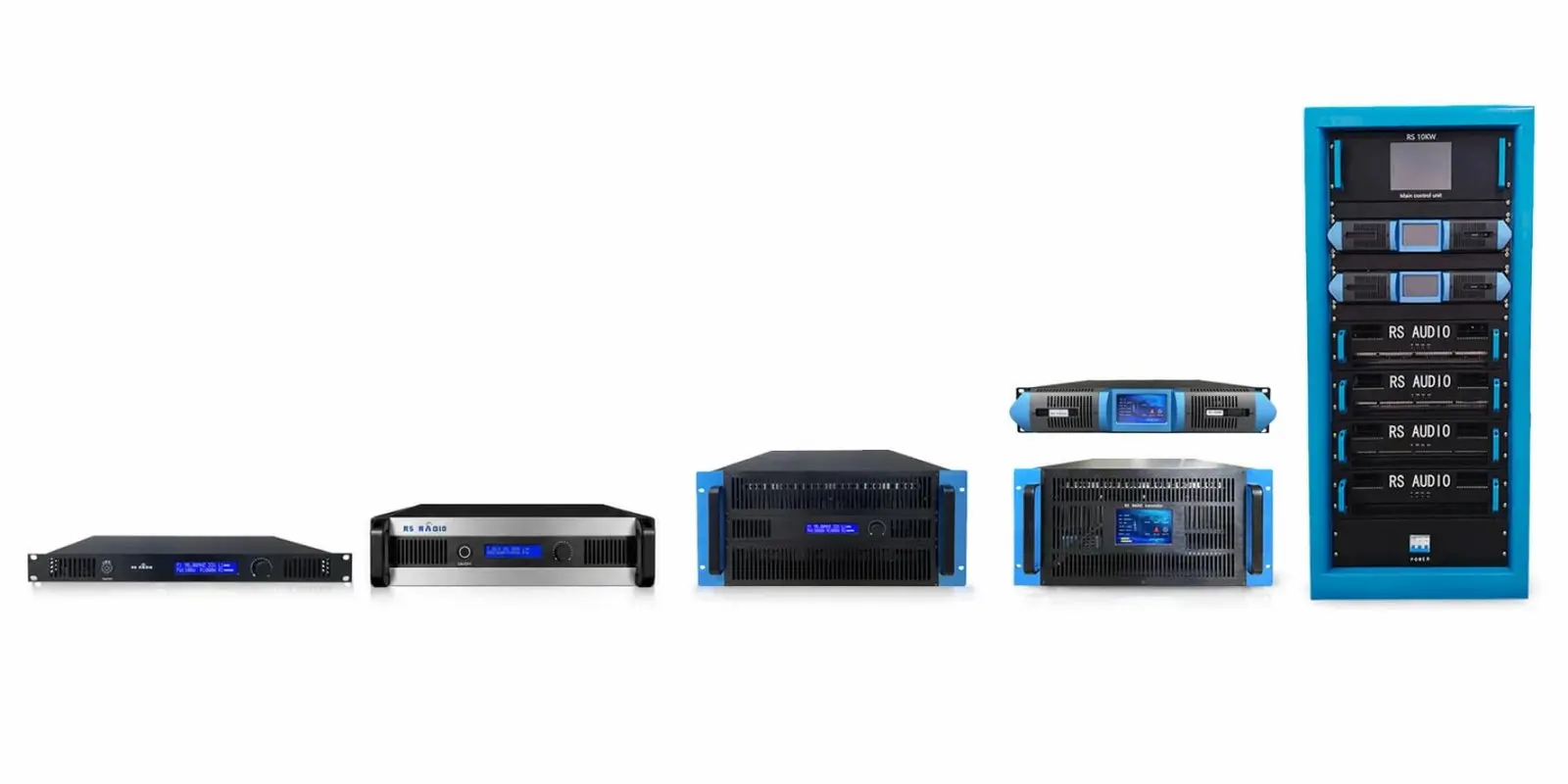
If you’ve optimized your antenna system and still need more coverage, upgrading your transmitter is the next logical step. RS RADIO offers FM transmitters ranging from 30W all the way up to 20KW, so you can scale up as your broadcast needs grow. Our FM broadcast transmitter series includes models from 30W to 20KW, which’s always a transmitter that’s right for your needs.
4. Summary
A 50W FM transmitter is a good choice for community radio stations, religious broadcasters, school campuses, drive-in theaters, and regional commercial stations. Under normal conditions, you can get a coverage radius of 3-5 km (2–3 miles). Under ideal conditions, the range can extend to 20 km (12 miles) or beyond.
Remember: the transmitter is only one component of your broadcast system. The antenna, coaxial cable, and installation site work together to determine your actual coverage. Investing in quality components across the entire signal chain is just as important as the transmitter itself.
At RS RADIO, we supply complete FM transmitter packages — transmitters, antennas, and cables — all backed by a 5-year warranty. Whether you’re building a new station or upgrading an existing one, our team is ready to help you design the right system for your coverage goals.
5. Frequently Asked Questions (FAQ)
Q1: Is a 50W FM transmitter legal to operate?
Legality depends on your country’s telecommunications regulations. In the United States, the FCC allows low-power FM broadcasting, but a license may still be required depending on your specific use case and location. In many other countries, 50W falls within the low-power or community broadcasting range, often with simplified licensing requirements. Always check with your local regulatory authority before broadcasting. RS RADIO’s transmitters are FCC and CE certified, making the licensing application process smoother.
Q2: What antenna should I use with a 50W FM transmitter?
For a 50W transmitter, An ordinary broadcast antenna is an ideal choice for local community or campus-range broadcasting. It offers a good balance of gain and coverage for low-power applications. RS RADIO supplies corresponding antennas designed to work smoothly with our transmitters.
Q3: What type of coaxial cable should I use?
For a 50W transmitter, we recommend RG-8 or 1/2" low-loss Coaxial Feeder Cables. Keep cable runs as short as possible and use quality connectors to minimize signal loss and maximize your effective coverage range.
Q4: Can I extend coverage without upgrading my transmitter?
Yes. The most effective ways to extend coverage without a transmitter upgrade are: raising your antenna height, switching to a higher-gain antenna, reducing cable loss with better coaxial cable, and choosing a higher installation site.
Q5: What is the difference between transmitter power and ERP?
Transmitter power is the raw output of your transmitter (e.g., 50W). ERP (Effective Radiated Power) is the actual power radiated by your antenna system, which is related to cables, antenna and so on. With a well-optimized setup, a 50W transmitter can achieve an ERP significantly higher than its rated output.
Q6: Does RS RADIO offer a warranty on the 50W FM transmitter?
Yes. All RS RADIO FM transmitters come with a 5-year warranty. Our after-sales support includes a dedicated WhatsApp service group where our engineers guide you through troubleshooting and repairs. Installation videos and printed manuals are also included with every shipment.
Related Articles
How to Choose an FM Broadcast Transmitter for a Radio Station?
Choosing the right FM broadcast transmitter is about more than selecting an output power. A reliable broadcast system...
Read moreHow far will a 1000 watt FM transmitter reach?
Under normal conditions, a 1000 watt FM transmitter can cover approximately 25–30 km (16–19 miles). Under ideal conditions,...
Read more