
FM Broadcasting Tips
5 Best Ways to Boost Your FM Radio Signal
FM signal depends on the entire transmission system--transmitter, antenna, cable, tower height, site, and terrain. In this guide, we'll show five practical, cost‑effective ways to boost your FM signal and improve coverage.

1.Increase Your FM Antenna Height
Antenna height above ground (and above surrounding obstacles) is one of the single biggest factors in FM broadcast range. FM radio waves travel mostly in a straight line, so the higher the antenna, the farther the signal can reach before it is blocked by hills, buildings, or trees. Even without changing your transmitter's power, raising your antenna a few meters higher on a tower or mast can noticeably extend coverage.
- Mount the antenna as high as your tower or building structure safely allows.
- Avoid placing the antenna near tall obstacles that block line of sight.
- Higher elevation generally means a larger effective coverage radius.

2.Use a High-Gain FM antenna
A gain antenna concentrates radiated energy toward the horizon instead of wasting it upward or downward, effectively multiplying your transmitter's output without increasing its actual power. Choosing a 2-bay, 4-bay, or higher-gain antenna array is one of the most cost-effective ways to extend FM coverage, especially for stations that cannot legally or practically increase transmitter power.
- Higher gain antennas focus signal outward for a longer flat coverage pattern.
- Match antenna gain to your transmitter power for the best cost-to-coverage ratio.
- Available as a standalone purchase or as part of a full station package.
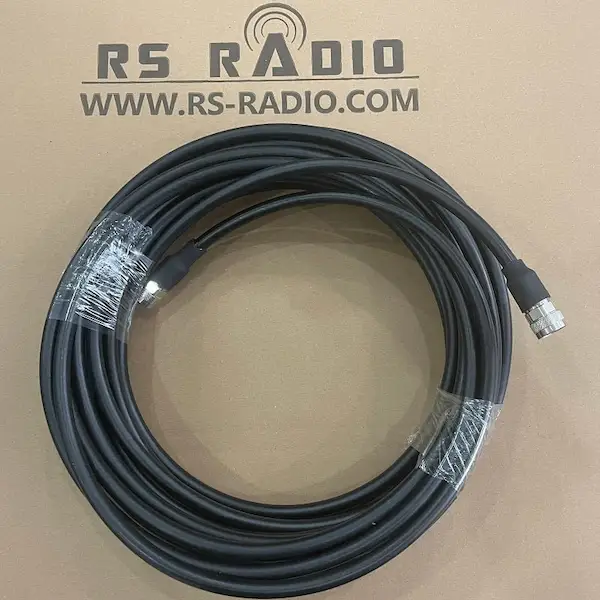
3.Use Low-Loss Coaxial Cable
Every meter of coaxial cable between your transmitter and antenna causes some signal loss, and cheap or low-quality cable can waste a significant portion of your transmitter's power before it ever reaches the antenna. This is especially important for stations with long cable runs up a tall tower.
- Choose cable rated for FM frequencies (87.5-108MHz) with low attenuation per meter.
- Keep cable runs as short and direct as possible.
- Use proper connectors and weatherproofing to prevent signal loss at joints.
4.Optimize Your FM Transmitter Installation Site
Where you install your transmitter and antenna matters as much as the equipment itself. Elevated, open locations with clear line of sight in your target coverage direction perform far better than sites surrounded by hills, dense buildings, or metal structures that reflect or block signal.
In addition, keep the transmitter in a dry, well-ventilated location away from moisture and dust. Proper ventilation helps prevent heat buildup, ensuring stable performance while extending the service life of your equipment.
- Select the highest, most open point available for your antenna and tower.
- Avoid nearby metal structures or dense obstacles between the antenna and your audience.
- Keep the transmitter cabinet cool, dry, and well-ventilated.
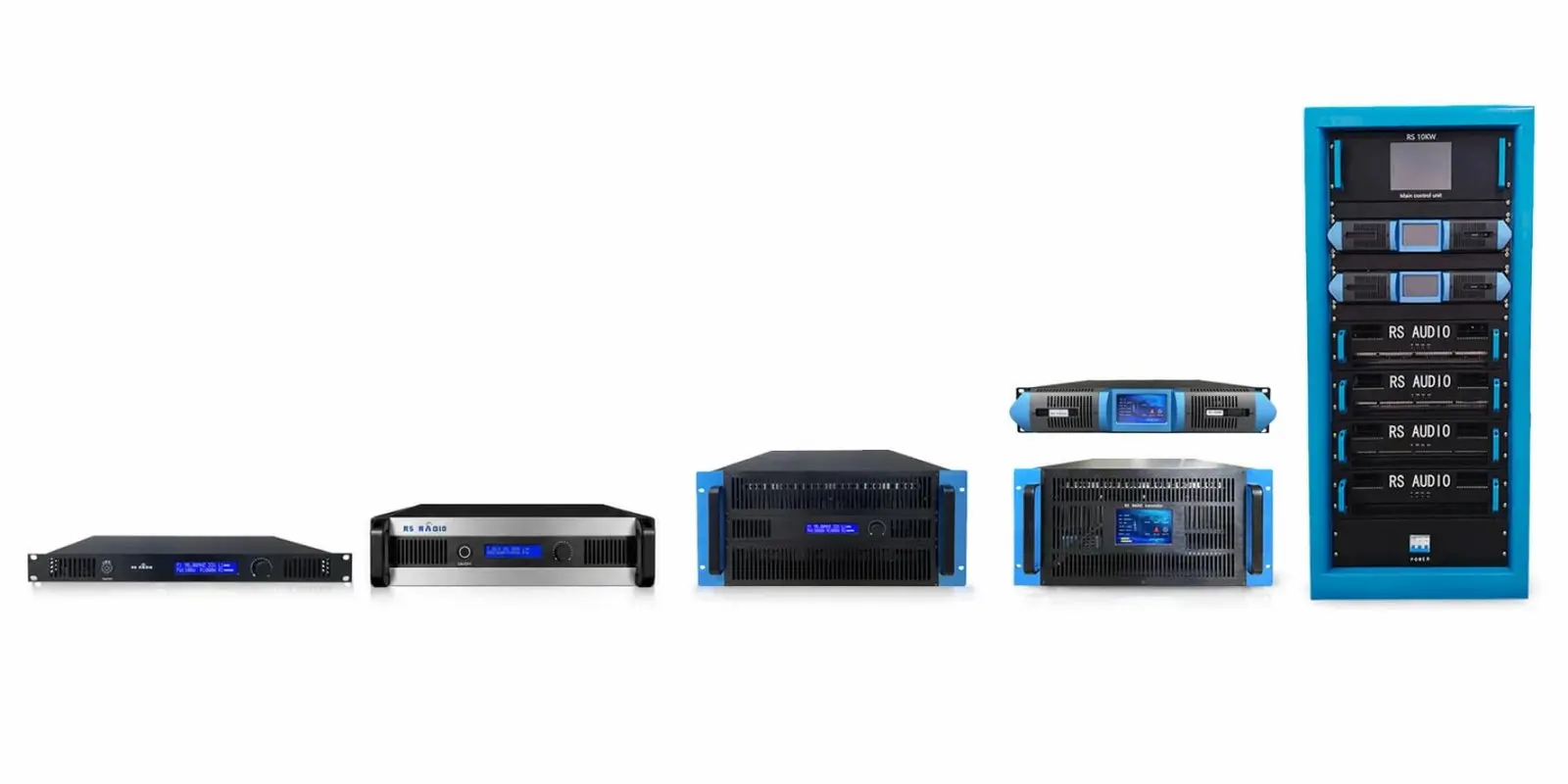
5.Increase FM Transmitter Power
When antenna height, gain, cable quality, and site selection are already optimized, increasing FM transmitter power is the most direct way to extend coverage. Broadcast range depends directly on power output: the higher the wattage, the farther the signal can travel.
- Higher wattage transmitters broadcast over a longer distance.
- Choose a power level based on your target coverage area, not just budget.
- Upgrade later— FM broadcast transmitters, antennas, and cables can be purchased separately.
Conclusion
Improving FM signal coverage rarely comes down to a single fix. Antenna height, antenna gain, cable quality, installation site, and transmitter power all contribute to overall coverage. Improving only one of these factors may not be enough to achieve reliable coverage.
Start by reviewing your current antenna height and installation site, then consider whether a higher-gain antenna or lower-loss cable could improve coverage before assuming you need a higher-power transmitter.